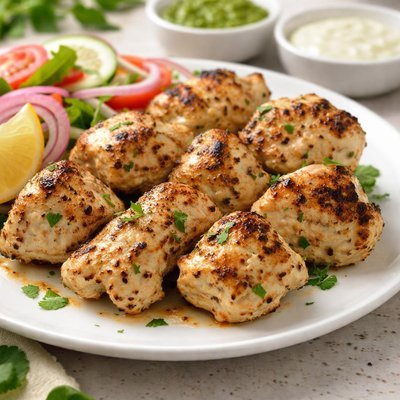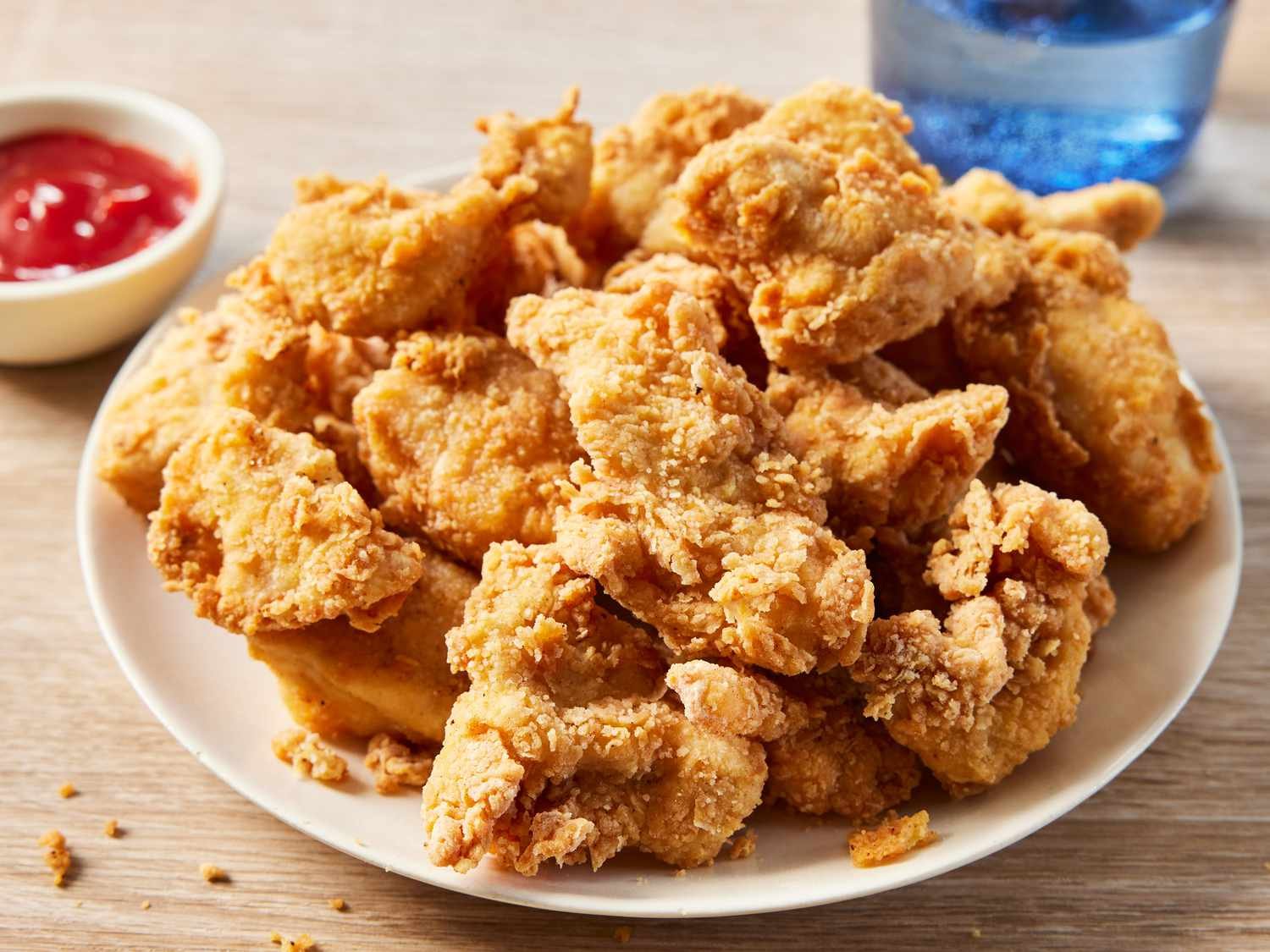
Chicken nuggets are a popular food choice for children, teenagers, and adults because they are convenient, tasty, and easy to prepare. They can be served as a quick snack, a lunchbox addition, or part of a complete meal. However, many people wonder whether chicken nuggets are healthy or if they should be eaten only occasionally.
The answer depends on the ingredients, cooking method, portion size, and overall nutritional value of the product. Chicken nuggets can provide protein, but their breading, sodium content, added fats, and processing methods can affect their nutritional quality. Understanding these factors can help you make informed food choices while enjoying your favorite chicken snacks.
Chicken nuggets are bite-sized pieces of chicken coated in a seasoned breading. Depending on the product, they may be prepared using whole-muscle chicken pieces, chopped chicken, or a combination of chicken meat and other ingredients.
Common ingredients include:
The exact ingredients vary between brands, so checking the product label is important. The ingredient list can help you understand whether a product contains additional starches, flavorings, or other ingredients that may affect its nutritional profile.
Chicken nuggets can contribute several nutrients to your diet, but their nutritional content varies by brand, serving size, and preparation method.
Chicken is a source of protein, an essential nutrient that helps the body build and repair tissues and maintain muscles. Chicken nuggets can contribute to your daily protein intake, making them a convenient option for a quick meal.
However, the amount of protein depends on how much chicken the product contains. Nuggets with a higher proportion of chicken may provide a different nutritional profile from products containing more coating and other ingredients.
Chicken nuggets contain calories from chicken, breading, and any oil used during preparation. Deep-frying can increase their fat and calorie content, depending on the product and how much oil is absorbed.
Oven-baking or air-frying may reduce the need for additional oil compared with deep-frying. Nevertheless, the nutritional value of the original product remains important, so alternative cooking methods do not automatically make every nugget a low-calorie food.
Salt is commonly used in chicken nuggets for flavor and seasoning. Some products can contain substantial amounts of sodium, particularly when served with salty sauces or other processed foods.
Consuming too much sodium regularly can contribute to high blood pressure. Checking the nutrition label and paying attention to serving sizes can help you manage your intake.
The breading around chicken nuggets contributes carbohydrates, mainly from flour or breadcrumbs. The amount depends on the thickness of the coating and the recipe.
Carbohydrates are a normal part of a balanced diet, but choosing appropriate portions and combining nuggets with vegetables, whole grains, or other nutritious foods can improve the overall balance of a meal.
Chicken nuggets are not automatically healthy or unhealthy. Their suitability depends on their nutritional composition and how frequently they are consumed.
Products with a good proportion of chicken, reasonable sodium levels, and a suitable fat content may fit into a balanced eating pattern. On the other hand, products with excessive sodium, heavy breading, or high amounts of saturated fat may be less suitable for frequent consumption.
Portion size also matters. Eating a moderate serving alongside vegetables and other nutritious foods is different from regularly consuming large portions with fries, sugary drinks, and high-calorie sauces.
For most people, the goal should be to consider the overall quality of their diet rather than judging one food in isolation.
When selected carefully and served appropriately, chicken nuggets can offer several practical benefits.
Chicken nuggets provide a convenient way to include chicken in meals. Protein supports muscle maintenance, tissue repair, and other essential bodily functions.
Their protein contribution varies by product, so checking the nutrition information is useful when comparing different options.
Frozen chicken nuggets are convenient for busy households because they generally require less preparation than making chicken dishes from scratch. They can be useful for quick lunches, after-school snacks, and simple family dinners.
Following the package instructions helps ensure that the nuggets are cooked safely and thoroughly.
Chicken nuggets can be used in different recipes rather than served on their own. They can be added to wraps, sandwiches, salads, and homemade snack platters.
This versatility makes it easier to create meals that include a variety of food groups without spending too much time in the kitchen.
Their familiar flavor and bite-sized shape make chicken nuggets appealing to many children and adults. They can be included in family meals, provided that portions are appropriate and the overall diet includes a variety of nutritious foods.
They should not replace other protein sources, vegetables, fruits, and whole grains as regular components of a balanced diet.
Frozen chicken nuggets can be a convenient food option, but freezing alone does not determine whether a product is nutritious. Their healthiness depends on the ingredients, nutritional composition, and cooking method.
When shopping for frozen chicken nuggets, consider the following factors:
Frozen products should also be stored according to the package instructions. Once prepared, chicken nuggets should be handled safely and cooked thoroughly.
For convenient meal planning, Orange Foods Expert offers frozen food options that can be incorporated into different snack and meal ideas. Customers can review the relevant product information to determine which options best suit their needs.
You do not necessarily need to eliminate chicken nuggets to make balanced food choices. A few practical adjustments can improve the nutritional balance of the meal.
Oven-baking or air-frying can help you prepare chicken nuggets with little or no additional oil. Follow the product’s cooking instructions, as cooking times vary by size, coating, and appliance.
Avoid assuming that a particular cooking method guarantees a specific calorie reduction unless reliable nutritional information supports that claim.
Pair chicken nuggets with fresh vegetables, steamed broccoli, cucumber slices, carrots, or a mixed salad. These foods provide fiber, vitamins, minerals, and other nutrients that may be limited in a serving of nuggets.
Adding vegetables also introduces more variety in texture and flavor.
Follow the recommended serving information on the packaging and consider your overall nutritional needs. Eating an appropriate portion can help prevent a snack from becoming an unnecessarily large meal.
Sauces can add extra calories, sugar, sodium, or fat. Consider serving moderate amounts of garlic yogurt dip, homemade tomato salsa, or another sauce that fits your dietary preferences.
For a more complete meal, combine chicken nuggets with vegetables and a suitable source of carbohydrates, such as whole-grain bread or a baked potato. This combination offers a wider range of nutrients than relying on nuggets alone.
Chicken nuggets can be included in a child’s diet, but they should not be the only regular source of protein or a substitute for a varied diet.
Children benefit from eating a range of foods, including fruits, vegetables, whole grains, dairy or suitable alternatives, and different protein sources. Parents can serve nuggets with vegetables, fruit, or other nutritious sides to encourage variety.
It is also important to consider age-appropriate portions, sodium intake, and safe preparation. For younger children, nuggets should be prepared and cut into suitable pieces to reduce choking risks, with adult supervision during meals.
Parents should check product ingredients for potential allergens, such as wheat, and follow appropriate food-safety instructions.
There is no single recommended frequency that applies to everyone. The appropriate amount depends on the product’s nutritional profile, your overall diet, activity level, and individual health needs.
If you enjoy chicken nuggets, consider eating them as one option among a variety of protein-rich foods. Chicken prepared without heavy breading, fish, eggs, beans, lentils, and other suitable foods can also contribute important nutrients.
People who need to limit sodium, saturated fat, or calories for medical reasons may benefit from discussing their food choices with a qualified healthcare professional or registered dietitian.
So, are chicken nuggets healthy? They can be part of a balanced diet when you choose products carefully, pay attention to portion sizes, and serve them alongside vegetables and other nutritious foods. Their protein content can be beneficial, but the amount of breading, sodium, fat, and added ingredients should also be considered.
Oven-baking or air-frying, choosing suitable dips, and creating balanced meals are practical ways to enjoy chicken nuggets while being mindful of nutrition. Rather than relying on chicken nuggets as your main everyday food, include a variety of protein sources and whole foods in your meals.
For convenient meal preparation, Orange Foods Expert offers frozen food options including frozen chicken nuggets in pakistan that can inspire quick snacks and family meals. By reviewing product information and making thoughtful serving choices, you can enjoy the convenience of chicken nuggets while maintaining a varied and balanced eating pattern.

Welcome to Orange Foods Expert, your premier destination for top-quality frozen foods! At Orange Foods Expert, we pride ourselves on delivering a wide array of delicious and convenient frozen meals.
Copyright © 2026 Orange Foods Expert All Rights Reserved.
Privacy Policy l Term of Service
WhatsApp us